Lung Cancer Screening: Who It Helps, and the Choices It Raises
- July 24, 2026
- Cancer Screening , lung cancer screening
Screening is meant to catch disease before it causes symptoms, and few areas show both its promise and its pitfalls as clearly as lung cancer screening. Lung cancer is often found late, when it is hardest to treat, so the idea of spotting it early is compelling. Yet screening a healthy person is never a simple good. It carries real benefits and real harms, and deciding whether to do it involves a genuine judgment call rather than an obvious yes.
What lung cancer screening actually involves
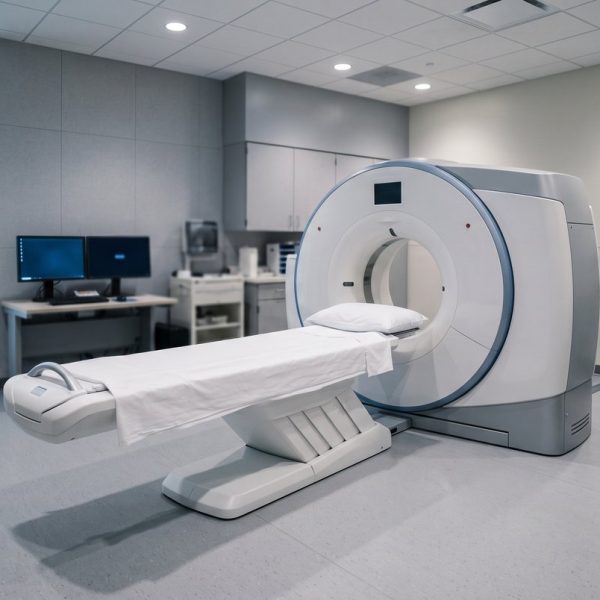
Modern lung cancer screening uses a low-dose CT scan, a quick imaging test that builds a detailed picture of the lungs with far less radiation than a standard CT. The scan looks for small nodules that might be an early cancer. It takes only a few minutes and needs no needles. The overview from the CDC describes the test and who tends to benefit most from it.
Who is advised to get it
Screening is not recommended for everyone, and that is rather the point. Guidelines in the United States, from the US Preventive Services Task Force, suggest yearly screening for adults roughly 50 to 80 years old who have a substantial smoking history (about 20 pack-years) and who currently smoke or quit within the past 15 years. The reasoning is that the test earns its place only where the risk of lung cancer is high enough to outweigh its downsides. For a lifelong non-smoker, the same scan would turn up far more false alarms than cancers.
The benefits are real
Large trials have shown that screening the right high-risk group can cut lung cancer deaths, because tumors caught early are more treatable. Early detection also opens the door to the full range of modern therapies, from surgery to newer options such as immunotherapy for cancer, which tend to work best before a tumor has spread widely. A cancer found at stage one is a very different situation from one found at stage four.
The harms are real too
This is where the ethics get interesting. Low-dose CT finds a great many nodules, and the large majority are harmless. Each finding can trigger more scans, anxiety, and sometimes a biopsy that carries its own small risks. There is also overdiagnosis: some cancers found by screening grow so slowly that they would never have caused harm in a person's lifetime, yet once found they are usually treated anyway. Add the cumulative radiation of yearly scans, and it becomes clear why screening is offered to high-risk people rather than to the whole population.
Why shared decision-making matters
Because the balance of good and harm depends so heavily on the individual, guidelines stress a conversation between patient and clinician before screening begins. That discussion covers personal risk, what a positive result would actually mean, and how the person feels about the possibility of unnecessary follow-up. It is a clear example of medical ethics in practice: the aim is an informed choice, not a reflexive test. Nothing here is medical advice, and anyone weighing screening should talk it through with their own doctor.
Screening programmes work best where a city has both the medical infrastructure and the population density to sustain them. Cleveland is unusually well provided for on that front. It is one of the reasons lists of things to do in cleveland now sit alongside a serious medical tourism industry.
Access and fairness
Screening also raises questions of fairness. The people at highest risk are not always the ones who can easily reach a screening center or afford the follow-up care, and uptake stays low even among those who qualify. Clear communication is part of closing that gap. In multilingual communities, accurate medical document translation helps patients understand eligibility, consent, and results, so the benefits of screening do not reach only those who happen to speak the dominant language.
What a clear scan does and does not tell you
A normal result is reassuring, but it is not a guarantee. Screening lowers the odds of dying from lung cancer, it does not remove them, and a cancer can still appear between yearly scans. Just as importantly, screening does nothing to address the cause of most lung cancer. Quitting smoking remains by far the most powerful step a person can take, and it lowers risk in ways no scan can match. Screening works best as one part of a wider approach to lung health, sitting alongside prevention rather than standing in for it. Seen this way, the benefits and the limits together explain why clinicians frame it as support for a decision, not a verdict.
A tool that rewards careful use
Lung cancer screening is neither a miracle nor a trap. It is a powerful tool that saves lives when aimed at the right people and can cause needless worry when applied too broadly. The reference overview of lung cancer screening lays out the evidence for anyone who wants to dig deeper. Used thoughtfully, with honest conversations about who stands to gain, it represents screening ethics at its best: matching a real benefit to the people who genuinely need it.